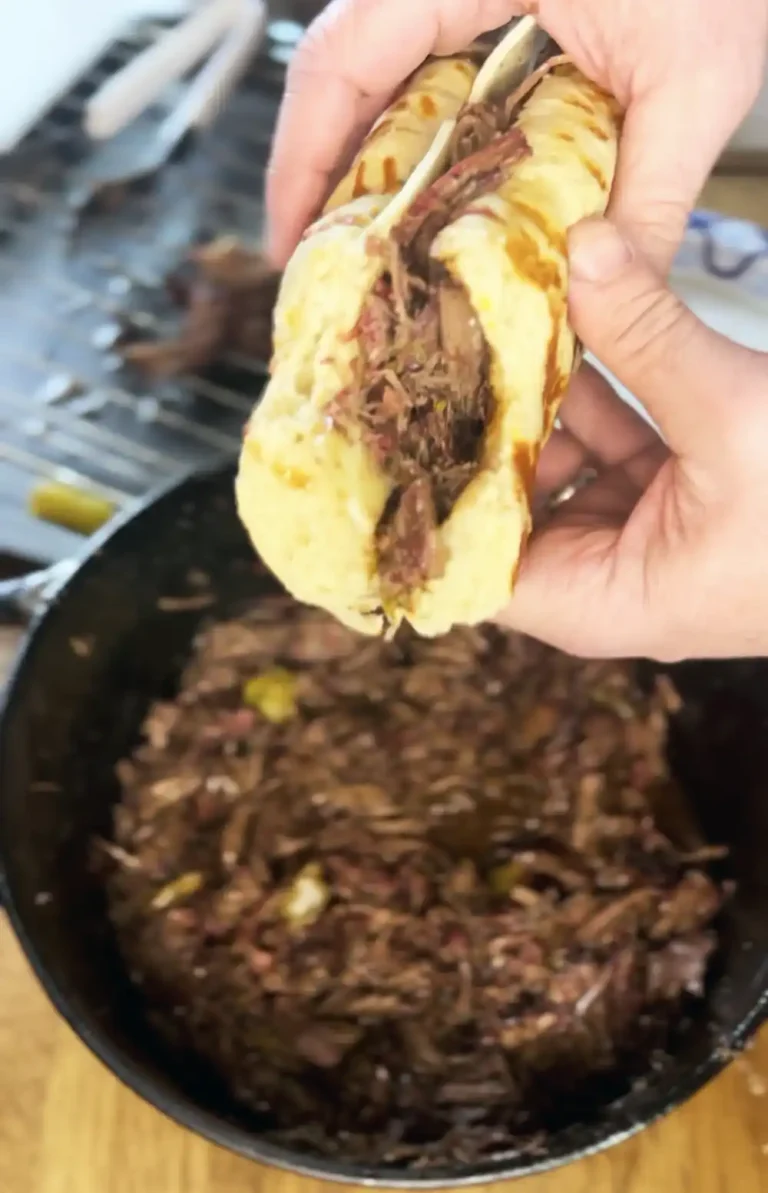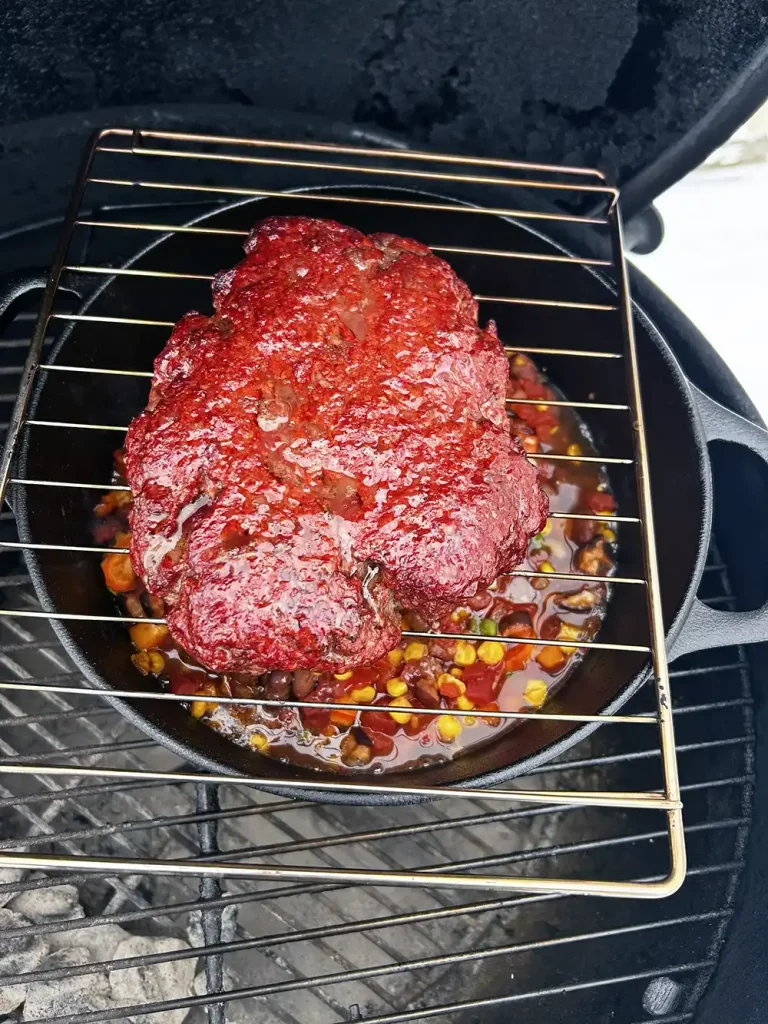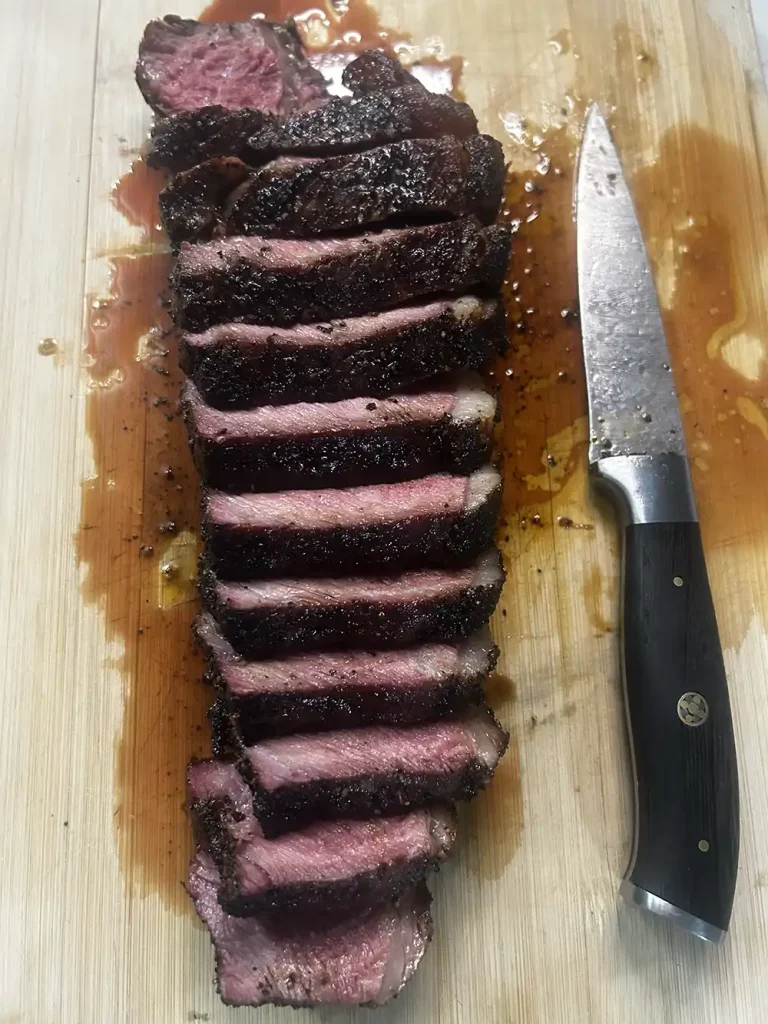
We’ve all been there. You nail a brisket. The bark is perfect, the fat is rendered like butter, and your neighbors are calling you a legend. Then, two weeks later, you try to do it again… and it’s dry. You used the same meat, the same BBQ rubs and sauces, and the same Kettle.
What went wrong? In the backyard, the variables are always moving. The Michigan wind, the ambient humidity, and even the starting temp of the meat change every single time you light the charcoal.
If you aren’t using a BBQ log book, you aren’t practicing; you’re just guessing.
Stop Being a “One-Hit Wonder” on the Grill
The difference between a guy who “sometimes” makes good food and a Pitmaster is consistency. When I started the MI Griller journey in Bear Lake, I realized that my memory was my biggest enemy. I’d forget which wood chunk I used or exactly what time I hit that 115°F internal milestone on a beef brisket flat.
By keeping a BBQ journal, you turn every cook into a data point. You start seeing the patterns. You realize that a 20-degree drop in outside temp means you need to open your intake vent exactly 1/4 inch more.
Mastering the “Midnight Bark” with Science
A common question in the Kettle Kitchen is how to achieve that deep, obsidian-colored crust. It’s not just about the fire; it’s about the chemistry of your rub.
I developed the MI GRILLER Signature Coffee Rub to solve a specific technical problem: building a professional bark without over-salting the meat. When you log your cooks, you can track exactly how different BBQ rubs and sauces react to different wood smokes (like Oak or Maple). Using a salt-free aromatic rub allows you to dry-brine your meat perfectly while the coffee and pepper matrix builds that “Midnight Bark” that makes your photos pop on social media.
Meat Arbitrage: Saving Money with Data
Let’s talk about the “Dad” side of this: Money. Beef prices aren’t getting any lower. When you buy a beef mock tender roast or a stash of Chuck Eyes from the local market, you’re making an investment.
A BBQ log book is like an insurance policy for your meat. When you log your thermal milestones, you stop overcooking expensive cuts. You learn exactly when to pull the meat to get that “Money Shot” every time.
Your Library of “Technical Receipts”
Every entry in your journal becomes a “Technical Receipt”—a proven blueprint for success. But you don’t have to start from zero. I have converted my most successful logs into a digital library of recipes designed specifically for the Weber Kettle.
Whether you are looking for the “Sub-Zero” chicken protocol or the secrets to a perfect reverse-sear, you can find the data you need to win.
👉View the MI Griller Technical Receipt & Recipe Library here.
What Should You Track in Your BBQ Journal?
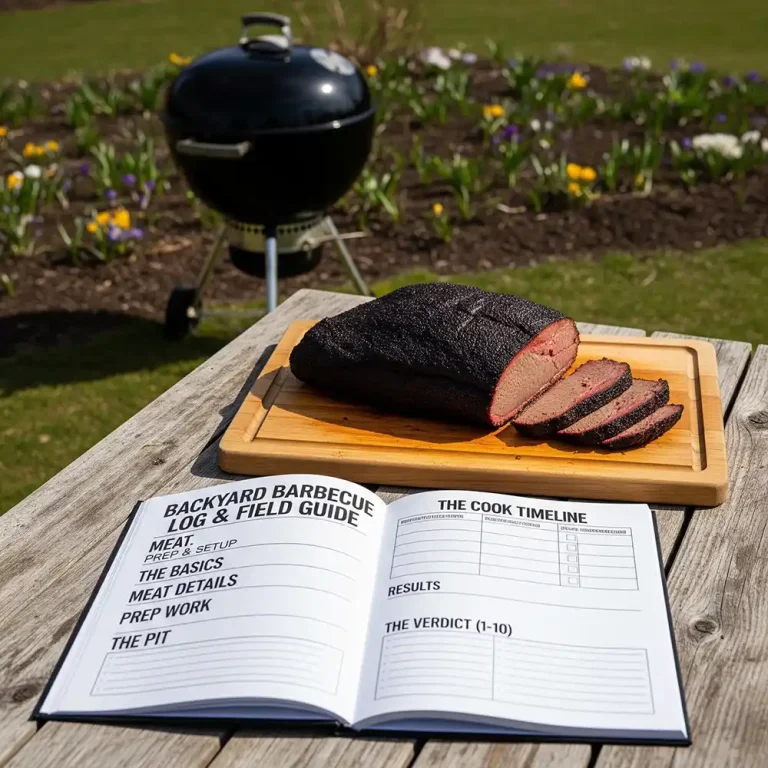
To really move the needle on your cooks, you need to track more than just time. My Backyard Barbecue Log & Field Guide focuses on the metrics that actually matter:
- The Ambient Conditions: Was it a 30-degree Michigan morning or a 70-degree July afternoon?
- The Fuel Source: Did you use B&B briquettes or lump charcoal?
- Thermal Milestones: Don’t just log “Done.” Log the 115°F pull, the 160°F wrap, and the 205°F finish.
- The Rub & Sauce Combo: Which BBQ sauces and rubs created the best bark polymerization?
The Verdict
You don’t need a $5,000 offset smoker to be the best cook on the block. You just need a standard 22-inch Kettle and a repeatable process.
Stop leaving your results to luck. Start logging your wins (and your “learning moments”) so you can serve up steakhouse-quality results every single weekend.
👉 Ready to master the backyard? Grab your copy of the Backyard Barbecue Log & Field Guide on Amazon here.