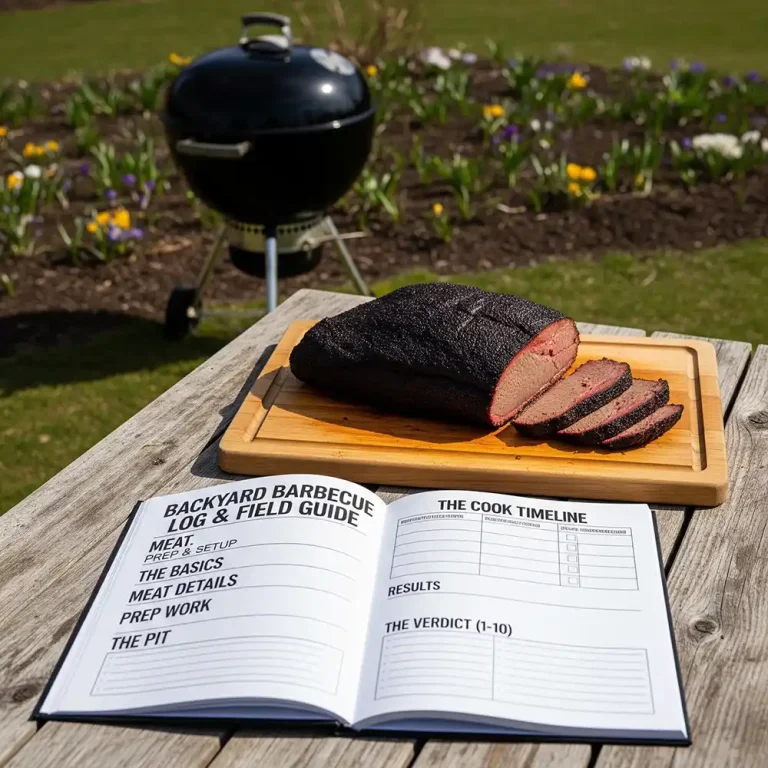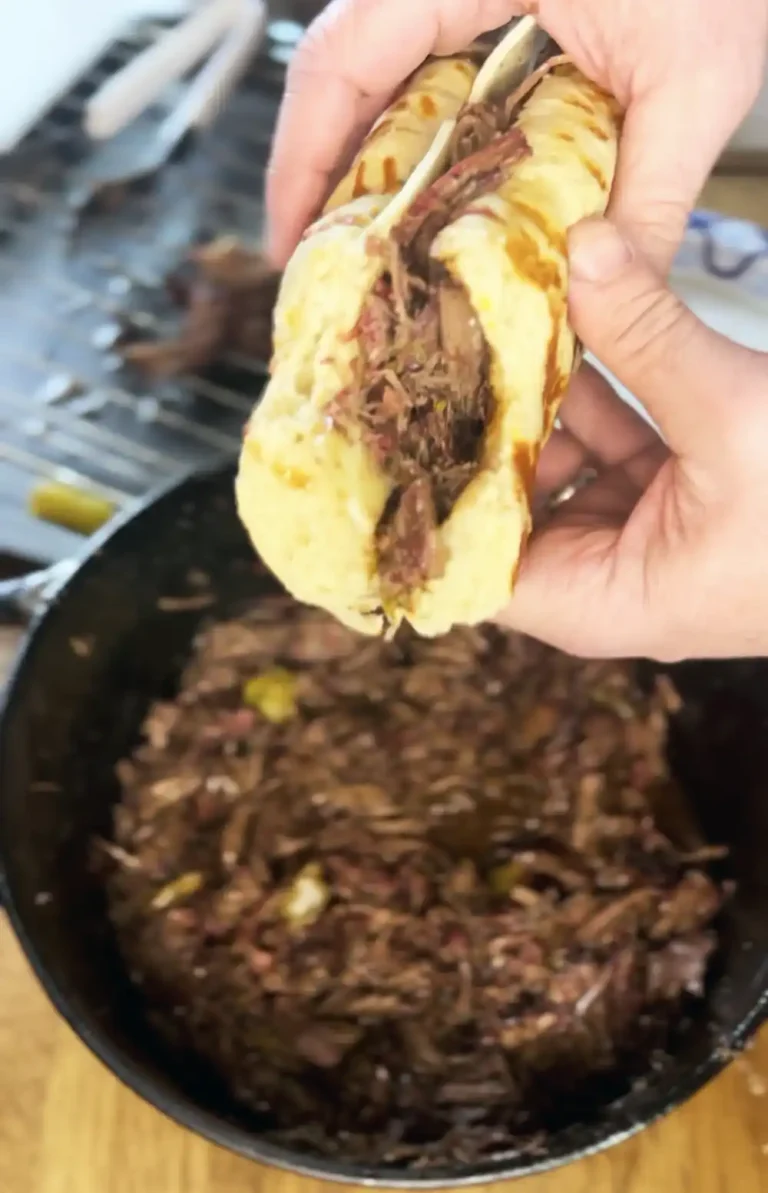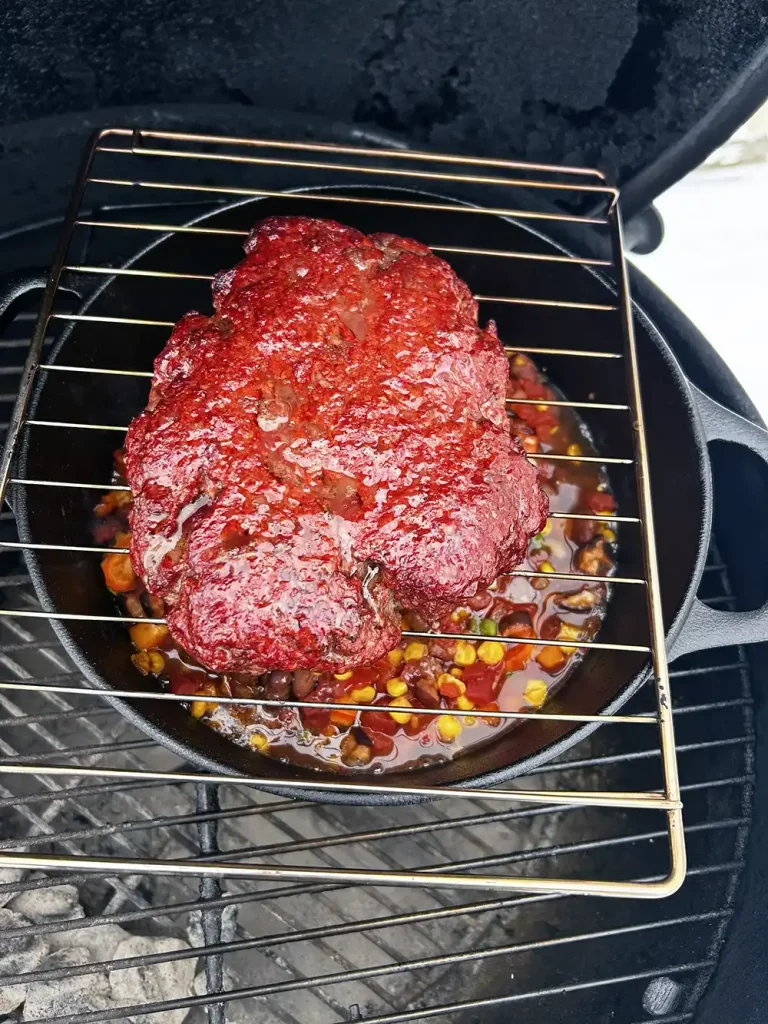
If you look at the BBQ headlines as we wrap up 2025, there is a massive shift happening. The “Old School” way—cooking by a specific number of hours and hoping for the best—is being replaced by what experts are calling “Science-First BBQ.”
What does that mean for us backyard cooks in Northern Michigan? It means we are finally understanding the why behind the how.
The Tallow Revolution
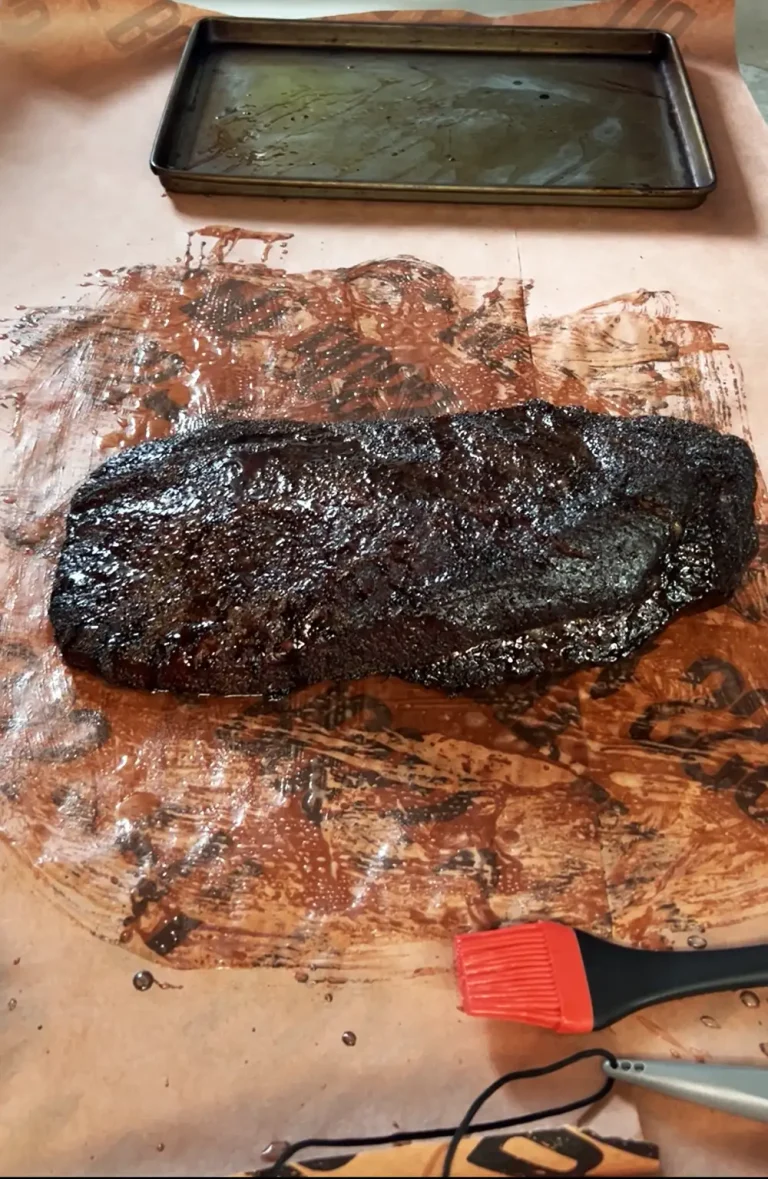
One of the biggest trends this year is the widespread use of beef tallow. For my Christmas brisket, I didn’t just toss the fat trimmings. I used a double boiler setup to render them down into pure, white gold.
The “science” here is simple: by adding that tallow back during the wrap, you’re creating a barrier that protects the meat fibers and essentially “confits” the brisket in its own fat. It’s the difference between a dry flat and one that stays succulent.
Feel vs. Physics
The other big news is the move away from “time-based” cooking. We’ve always been told “it’s done when it’s done,” but 2025 saw a huge surge in people using thermal mapping and tenderness testing.
When I poked right through my butcher paper this week, I wasn’t just checking a thermometer. I was looking for a specific physical change in the collagen. At 203°F, the “science” says the connective tissue has fully broken down into gelatin. That “butter” feel isn’t just a metaphor—it’s physics.
Why the Kettle Still Wins
The cool thing about “Science-First BBQ” is that you don’t need a $5,000 offset smoker or a high-tech pellet grill to do it. You can apply these high-level techniques to a 22-inch Weber Kettle.
By trimming for airflow (like I showed in my latest video) and controlling your render, you’re using the same principles the “big dogs” in Texas are using.
What’s your take?
Are you a “set it and forget it” cook, or are you starting to look at the science of the smoke? For me, understanding the chemistry makes the final product taste that much better.
— Tom