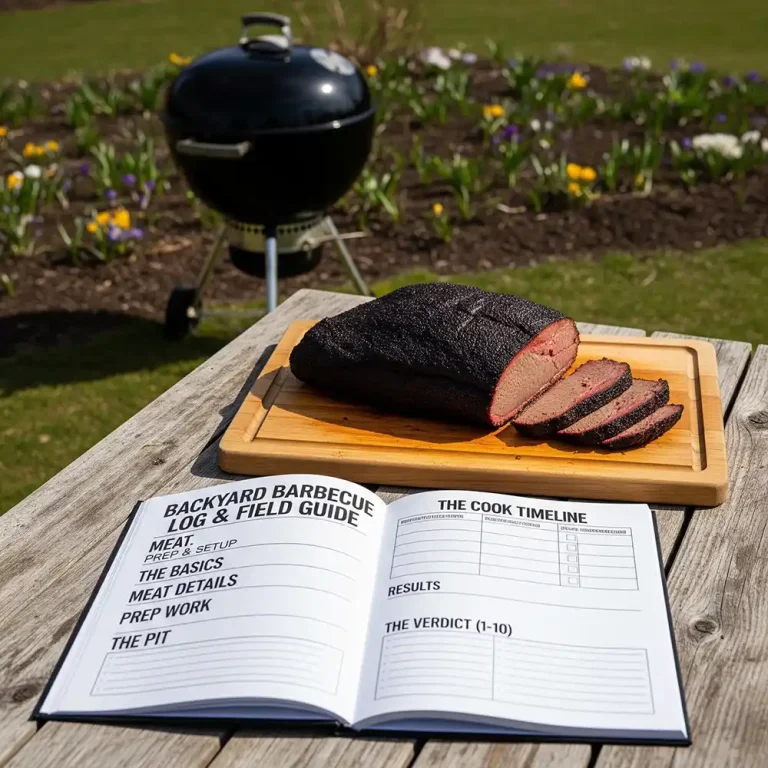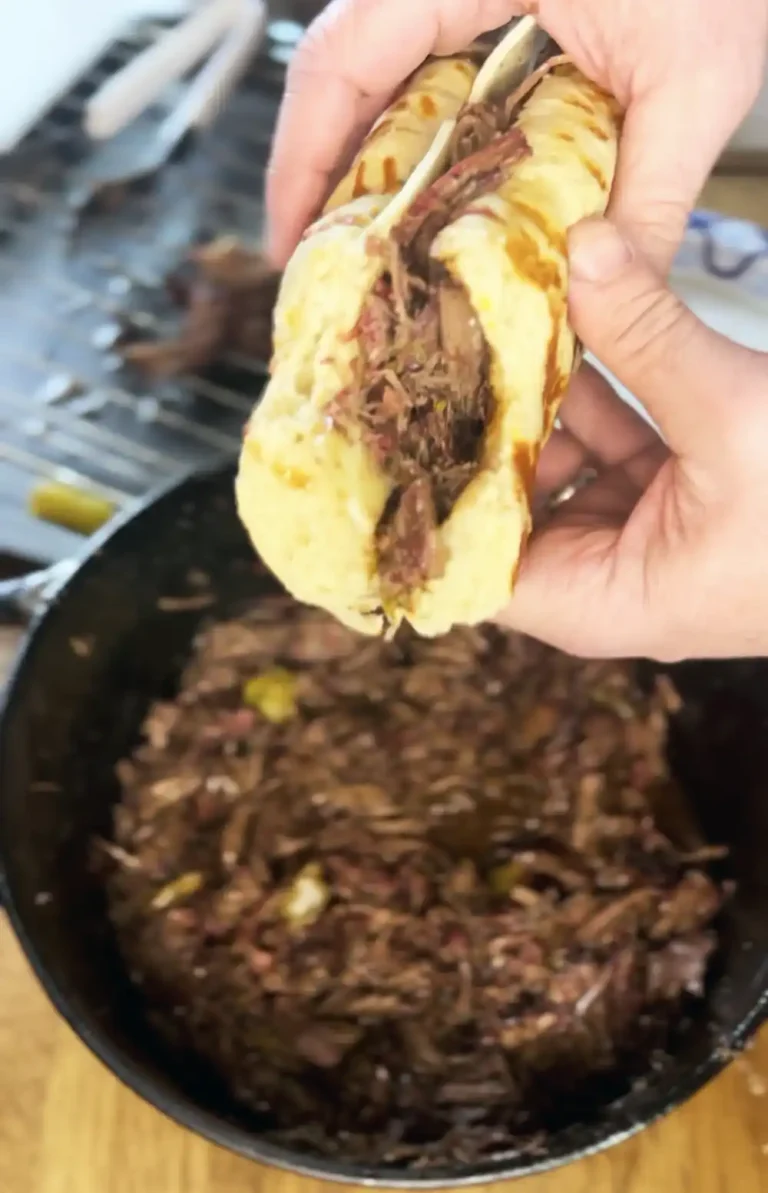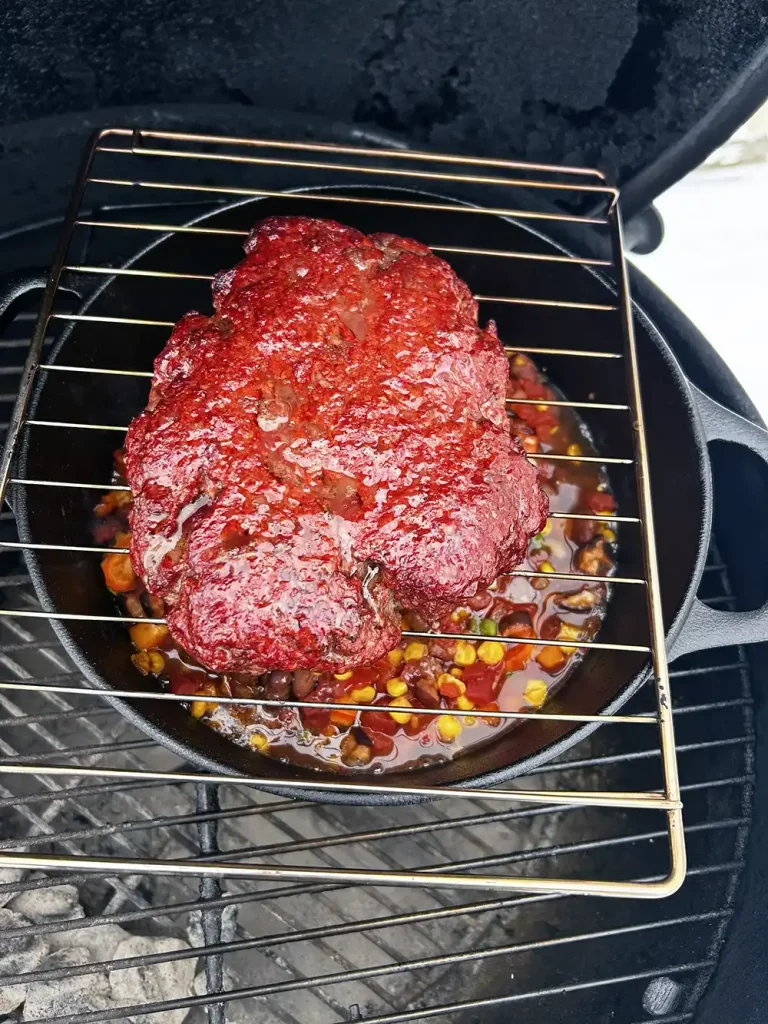
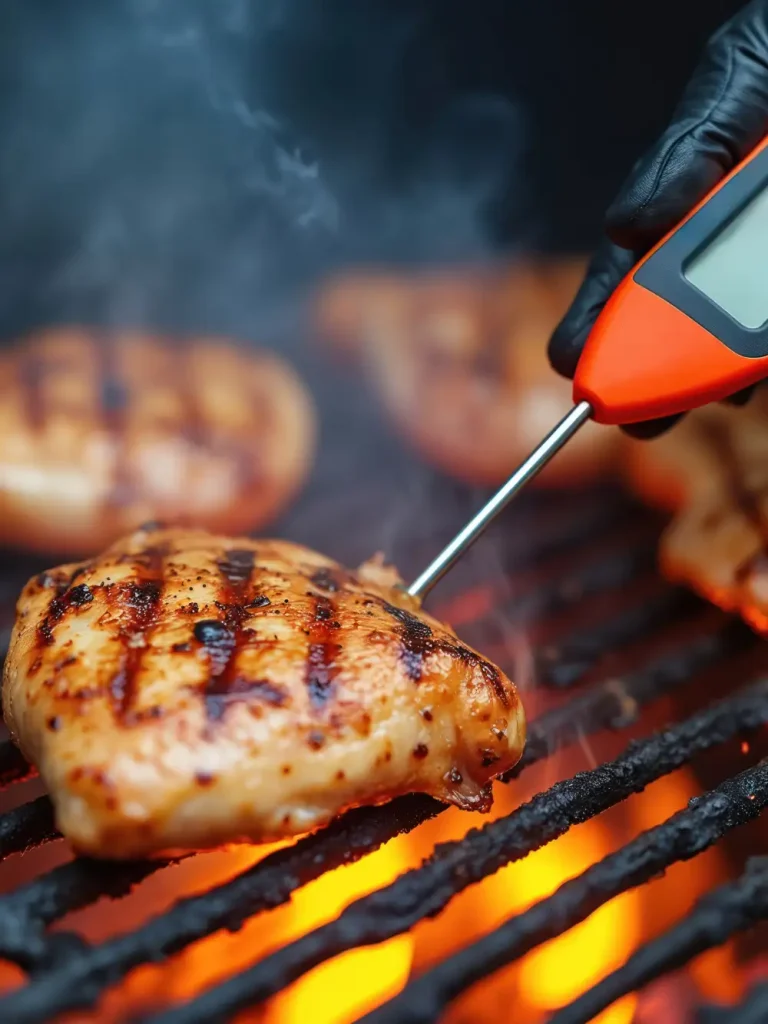
In the backyard, your most important tool isn’t your tongs or even your Weber Kettle—it’s your instant-read thermometer. Whether you’re battling a Northern Michigan winter or grilling in the peak of summer, internal temperature is the only way to guarantee food safety and perfect texture.
This guide outlines the “Pull Temps” (when to take it off the heat) and the “Final Temps” (after resting) for every major cut.
🥩 Beef & Lamb (Steaks and Roasts)
For cuts like Ribeye, NY Strip, Tri-Tip, and Tenderloin.
| Doneness | Pull Temp | Final Temp | Description |
| Rare | 120° F | 125° F | Cool red center. |
| Medium-Rare | 130° F | 135° F | Warm red center (The Pitmaster Standard). |
| Medium | 140° F | 145° F | Warm pink center. |
| Medium-Well | 150° F | 155° F | Slightly pink center. |
| Well Done | 160° F | 165° F | Little to no pink. |
The Reverse Sear Rule: If you are reverse-searing a thick steak, pull it at 110° F – 115° F during the smoke phase before moving it to the direct heat for the final sear.
🦌 Venison (Wild Game)
Venison is extremely lean. Overcooking even by 5° F make it tough and “gamey.”
| Doneness | Pull Temp | Final Temp | Notes |
| Rare | 120° F | 125° F | Best for backstraps. |
| Medium-Rare | 125° F | 130° F | Maximum tenderness. |
| Medium | 135° F | 140° F | Avoid going beyond this. |
🐖 Pork (Chops and Roasts)
Modern pork is safe at lower temperatures than in the past. Don’t overcook your chops!
| Type | Pull Temp | Final Temp | Notes |
| Medium-Rare | 140° F | 145° F | Juicy and slightly pink (USDA Safe). |
| Medium | 150° F | 155° F | Standard for most households. |
| Well Done | 160° F | 165° F | Can be dry; use a wet brine! |
🍗 Poultry (Chicken & Turkey)
Safety is the priority here, but moisture is the goal.
| Cut | Pull Temp | Final Temp | Notes |
| Chicken Breast | 160° F | 165° F | Pull at 160; carry-over hits 165. |
| Thighs/Legs | 175° F | 180° F | Dark meat handles higher heat better. |
| Whole Bird | 160° F | 165° F | Measure in the deepest part of the breast. |
🔥 Low & Slow BBQ (The “Probe Tender” Zone)
For Brisket, Pork Butt, and Beef Ribs, we ignore standard doneness. We cook until the collagen breaks down.
| Meat | Target Temp | The “Feel” Test |
| Brisket | 200° F – 205° F | Should feel like “warm butter” when probed. |
| Pork Butt | 203° F – 208° F | Bone should wiggle and pull out clean. |
| Beef Ribs | 205° F + | Probe should slide in with zero resistance. |
🌭 Ground Meats & Sausages
Safety first. Bacteria on the surface of the meat is mixed throughout when ground.
- Burgers: 160° F (USDA recommendation) or 135° F for medium-rare if you grind your own fresh beef.
- Sausage/Brats: 160° F. Pull at 155° F to prevent the casings from bursting/splitting.
💡 The MI Griller Pro-Tips
1. The Carry-Over Effect
Meat doesn’t stop cooking the second you take it off the grill. The internal temperature will typically rise 5° F to 10° F during the rest. Always pull your meat slightly before your target “Final Temp.”
2. The Rest is Mandatory
- Steaks: 10 minutes.
- Chicken: 15 minutes.
- Brisket/Pork Butt: 2 to 4 hours in a dry cooler.Resting allows the muscle fibers to relax and re-absorb the juices. If you slice too early, the juice ends up on the cutting board instead of in the meat.
3. Trust the Probe, Not the Clock
Time is a suggestion; temperature is the law. Weather, charcoal quality, and meat thickness all change the timeline. Always cook to temp!